
Your Ultimate Guide to an Odor-Free, Spotless Cat-Friendly Sanctuary
The Dream of a Fresh, Cat-Friendly Home
For cat owners, the bond with their feline companions is a source of immense joy and comfort. We adore their purrs, their playful antics, and the unique personalities they bring into our lives. Yet, alongside this deep affection often comes a persistent challenge: maintaining a home that is both cat-friendly and impeccably clean, fresh, and odor-free. The dream of a pristine sanctuary can quickly collide with the reality of lingering pet odors, scattered litter, and the ever-present battle against cat fur.
Many cat parents live with a gnawing fear that their home perpetually carries a distinct cat odor, making them self-conscious when guests visit and diminishing their own enjoyment of their living space. The constant anxiety of inappropriate elimination – a sudden urine stain on the carpet or an unexpected pile of feces – can lead to significant stress and damage to cherished belongings. There’s the worry of judgment from non-pet owners, the concern about potential health risks from poor hygiene, and the disheartening feeling that despite endless cleaning efforts, deep-seated pet odors will always remain. These frustrations can overshadow the immense pleasure of sharing life with a feline friend.
This comprehensive guide
“The Fresh Home Feline Formula: Your Ultimate Guide to an
Odor-Free, Spotless Cat-Friendly Sanctuary,” is designed to transform these fears and frustrations into confidence and peace of mind. We understand the unique challenges of living with cats and are here to provide a clear, actionable roadmap to achieving a home that is not only clean and fresh but also a welcoming haven for both you and your beloved feline. Our promise is to equip you with effective strategies for litter box mastery, odor elimination, fur management, and accident response, ensuring your home remains a source of pride and comfort. Let’s unlock the secrets to a harmonious, impeccably clean, and truly cat-friendly living space.
Conquering the Core: Litter Box Mastery for Odor Control
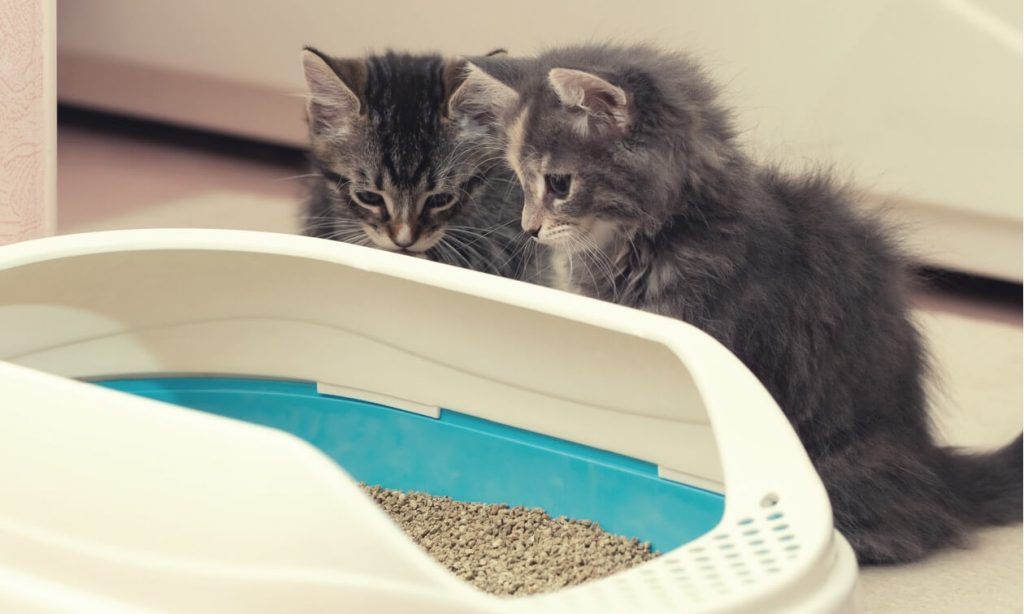
The litter box is often the primary source of odors and mess in a cat-friendly home.
Mastering its management is not just about cleanliness; it’s about understanding your cat’s preferences and providing an environment that encourages appropriate elimination. This is the absolute foundation of an odor-free sanctuary.
The Litter Box Blueprint: Foundation of a Fresh Home
Optimizing your litter box setup is the single most impactful step you can take to control odors and prevent inappropriate elimination.
Optimal Litter Box Setup: Size, Type, and Location
- Number of Boxes (N+ Rule), Size, Covered vs. Uncovered: The golden rule for litter boxes is N+, meaning one litter box per cat, plus one extra. For example, if you have two cats, you should have at least three litter boxes. This reduces competition and ensures a clean option is always available. Size matters: choose large, spacious boxes that allow your cat to turn around comfortably. While covered boxes might seem to contain odors, many cats dislike them due to trapped smells and a feeling of being ambushed; uncovered boxes are generally preferred by felines.
- Strategic Placement for Privacy and Accessibility: Place litter boxes in quiet, low traffic areas where your cat feels safe and has an escape route. Avoid placing them near noisy appliances, food and water bowls, or high-traffic doorways. Multiple locations are ideal, especially in multi-story homes, to ensure easy accessibility for all cats.
Choosing the Right Litter: Odor Absorption and Cat Preference
The type of litter you use plays a significant role in odor control and your cat’s willingness to use the box.
- Types of Litter (Clumping, Silica Gel, Natural): Clumping clay litter is popular for its ease of scooping and good odor control. Silica gel litters are highly absorbent and excellent at trapping odors, but can be more expensive. Natural litters made from pine, corn, or wheat are biodegradable and can be good for odor control, but their texture and scent may not appeal to all cats.
- Unscented vs. Scented, Dust-Free Options: Most veterinarians and cat behaviorists recommend unscented litter. While scented litters might smell pleasant to humans, the strong perfumes can be off-putting to a cat’s sensitive nose, leading them to avoid the box. Look for low-dust or dust-free options to protect both your cat’s respiratory health and your home’s air quality.
Daily Maintenance and Deep Cleaning: The Secret to Freshness
Even the best litter and setup won’t prevent odors if not maintained diligently.
- Scooping Frequency, Full Litter Changes: Scoop litter boxes at least once, ideally
twice, daily. This removes waste before odors can develop and encourages your cat to use a clean box. For most litters, a full litter change (emptying all old litter, washing the box with mild soap and water, and refilling with fresh litter) should occur every weeks, depending on the litter type and number of cats. - Cleaning Products for Litter Boxes: Use mild, unscented soap and water for cleaning litter boxes. Avoid harsh chemicals, ammonia-based cleaners, or strong disinfectants, as their lingering scents can deter your cat from using the box. A diluted bleach solution ( part bleach to parts water) can be used occasionally for disinfection, but rinse thoroughly.
Tackling Litter Tracking: Keeping it Contained
Litter tracking is a common frustration, but there are effective ways to minimize it.
- Litter Mats, Box Design, Litter Type: Place litter mats with textured surfaces (like mesh or grooves) directly outside the litter box to trap particles from your cat’s paws. Some litter box designs feature top-entry or hooded designs with grates that help dislodge litter from paws as your cat exits. Finally, consider the litter type itself; some litters are inherently less prone to tracking than others.
Eliminating Odors: Beyond the Litter Box
While litter box mastery is paramount, cat odors can permeate other areas of your home, especially if accidents occur or if fur and dander accumulate. Tackling these broader odor challenges requires a multi-pronged approach, utilizing specialized products and natural solutions.
The Scent-Free Sanctuary: Neutralizing Pet Odors Throughout Your Home
Achieving a truly odor-free home means addressing smells at their source, not just masking them.
Professional-Grade Pet Odor Eliminators: What Works Best
- Enzymatic Cleaners for Urine and Organic Stains: For pet accidents, especially urine, enzymatic cleaners are your best friend. These cleaners contain beneficial bacteria that produce enzymes. These enzymes break down the uric acid crystals and other organic matter in pet waste, effectively eliminating the odor rather than just covering it up. Apply generously, allow to soak, and blot dry. Always follow product instructions. Odor Neutralizers vs. Masking Agents: Be wary of products that simply mask odors with strong fragrances. While they might provide temporary relief, they don’t address the underlying problem. True odor neutralizers chemically alter or absorb odor molecules, rendering them scentless. Look for products specifically labeled as neutralizers or eliminators, not just air fresheners.
Natural Odor Control Solutions: Eco-Friendly Approaches
For those who prefer natural alternatives or want to supplement commercial products, several household items can be highly effective at absorbing odors. - Baking Soda, Vinegar, Activated Charcoal: Baking soda is a natural deodorizer;
sprinkle it on carpets, upholstery, or in litter boxes to absorb odors, then vacuum. White vinegar, diluted with water, can be used to clean hard surfaces and neutralize odors (the vinegar smell dissipates as it dries). Activated charcoal is excellent at absorbing airborne odors; place bowls of it in affected areas or use charcoal bags. - Air Purification for Pet Owners: Air purifiers with HEPA filters and activated carbon filters can significantly improve indoor air quality by trapping pet dander, hair, and absorbing odors. This is particularly beneficial for pet owners, especially those with allergies.
Fabric and Furniture Care: Deep Cleaning for Lasting Freshness
Fabrics and upholstery can absorb pet odors over time, even without accidents. Regular, thorough cleaning is essential.
- Regular Vacuuming, Steam Cleaning, Washable Covers: Vacuum carpets, rugs, and upholstery frequently using a vacuum cleaner with strong suction and appropriate attachments for pet hair. Consider professional steam cleaning for carpets and upholstery periodically. For furniture, use washable slipcovers or throws that can be laundered regularly to remove accumulated fur and odors.
- Addressing Pet Smells in Upholstery and Carpets: For lingering smells in upholstery and carpets, sprinkle baking soda liberally, let it sit for several hours (or overnight), then
vacuum thoroughly. For deeper odors, specialized carpet and upholstery cleaners designed for pet odors can be used, always spot-testing first.
Managing Cat Fur: The Battle Against Shedding
Cat fur is an inevitable part of living with felines, but it doesn’t have to take over your home. Proactive grooming and effective cleaning tools can significantly reduce the amount of hair floating around and clinging to every surface.
Fur-Free Living: Strategies for a Spotless Home
Controlling cat fur is a continuous effort that combines prevention at the source with efficient cleanup methods.
Regular Grooming for Cats: Reducing Shedding at the Source
- Brushing Frequency, Deshedding Tools: Regular brushing is the most effective way to reduce shedding. Aim for daily brushing, especially for long-haired breeds or during shedding seasons. Use a brush appropriate for your cat’s coat type, such as a slicker brush, a rubber curry brush, or a deshedding tool like a Furminator (used sparingly and according to instructions). The more fur you remove during brushing, the less will end up on your furniture and floors.
- Benefits for Coat Health and Hairball Prevention: Beyond reducing shedding, regular grooming distributes natural oils, keeping your cat’s coat healthy and shiny. It also helps prevent matting, especially in long-haired cats, and significantly reduces the incidence of hairballs, which can be uncomfortable for your cat and messy for you.
Effective Cleaning Tools for Pet Hair: Your Arsenal
Even with regular brushing, some fur will inevitably escape. Having the right tools makes cleanup much easier.
- High-Quality Vacuums (Pet-Specific), Lint Rollers, Rubber Gloves: Invest in a
vacuum cleaner specifically designed for pet hair, often featuring stronger suction, specialized brushes, and HEPA filters. Keep lint rollers handy for quick touch-ups on clothing and upholstery. For stubborn fur on carpets and furniture, a simple rubber glove (dampened slightly) can work wonders, as the friction helps gather the hair into clumps. - Washable Blankets, Slipcovers: Protect your furniture by using washable blankets or slipcovers on favorite napping spots. These can be easily removed and laundered, trapping fur and keeping your furniture cleaner underneath.
- Creating Cat-Friendly Zones to Minimize Fur Spread: Designate specific areas where your cat is encouraged to relax and shed, such as a cat tree with washable cushions or a cozy bed. This can help concentrate fur in easily cleanable areas, rather than spreading it throughout the entire house.
Addressing Accidents and Stains: Emergency and LongTerm Solutions
Even with the best preventative measures, accidents can happen. Whether it’s a fresh
urine puddle or an old, lingering stain, knowing how to respond effectively is crucial for preventing permanent damage and odors.
Spotless Surfaces: Rapid Response and Permanent Solutions
Quick action and the right products are key to successfully removing pet stains and odors.
Immediate Cleanup of Cat Accidents: Time is of the Essence
- Blotting, Avoiding Rubbing, Proper Saturation with Cleaner: When you discover a
fresh accident, act immediately. Blot the area with clean paper towels or a white cloth to absorb as much liquid as possible. DO NOT rub, as this can push the stain deeper into the fibers. Once blotted, apply an enzymatic cleaner (as discussed earlier) generously to the affected area, ensuring it saturates the spot as deeply as the urine penetrated. Allow the cleaner to sit for the recommended time (often – minutes or more) to allow the enzymes to work, then blot dry. You may need to repeat this process for severe accidents
Identifying and Treating Old Pet Stains and Odors
Old stains can be particularly challenging because the odor source may have dried and become concentrated, and the stain itself might be invisible to the naked eye.
- UV Lights for Hidden Stains: If you suspect old accidents but can’t see them, a black light (UV light) can be an invaluable tool. Urine stains will fluoresce under UV light, making them visible. This allows you to pinpoint the exact areas that need treatment.
- Repeated Enzymatic Treatments for Deep-Set Odors: For old, deep-set odors, a
single application of enzymatic cleaner may not be enough. You might need to apply the cleaner, allow it to dry, and then reapply it multiple times over several days or even weeks. For very stubborn odors, consider renting a carpet cleaner and using an enzymatic solution designed for machine use. In extreme cases, professional carpet cleaning or even replacement of affected padding/subflooring may be necessary.
Holistic Home Hygiene: A Comprehensive Approach
Maintaining a truly clean and odor-free home with cats goes beyond just addressing litter boxes, fur, and accidents. It involves a holistic approach to hygiene, ensuring every aspect of your shared living space contributes to freshness and health.
Beyond the Basics: Creating a Truly Hygienic Cat-Friendly Environment
These often-overlooked areas are crucial for overall home cleanliness and preventing the buildup of odors and bacteria.
Food and Water Bowl Hygiene: Preventing Bacteria and Odors
- Daily Cleaning, Material Choice (Stainless Steel, Ceramic): Your cat’s food and
water bowls can harbor bacteria and develop odors if not cleaned regularly. Wash food bowls daily and water bowls every other day with hot, soapy water. Stainless steel and ceramic bowls are generally preferred over plastic, as plastic can scratch and harbor bacteria, leading to feline acne or other issues.
Air Quality and Ventilation: Fresh Air for All
- Opening Windows, Air Purifiers, Proper Ventilation: Stale air can trap pet odors.
Open windows regularly to allow fresh air to circulate, especially after cleaning or if you notice a lingering smell. As mentioned earlier, air purifiers with HEPA filters and activated carbon filters are excellent for removing airborne particles and odors. Ensure your home has proper ventilation, particularly in areas where your cat spends a lot of time.
Regular Deep Cleaning Schedule: Maintaining Overall Cleanliness - Floors, Surfaces, Pet Bedding: Establish a regular deep cleaning schedule for your entire home. Mop hard floors with pet-safe cleaners. Wipe down surfaces where your cat frequently rests or walks. Regularly wash all pet bedding, blankets, and toys to remove fur, dander, and odors. This comprehensive approach prevents the gradual buildup of pet-related grime and keeps your home consistently fresh.
Conclusion: Your Sanctuary, Shared with Joy
Living with cats brings immeasurable joy, but it also comes with the unique challenge of maintaining a home that is both clean and odor-free. The fears of a perpetually smelly house, the frustration of endless cleaning, and the worry about inappropriate elimination are common anxieties for cat parents. However, by adopting a proactive and comprehensive approach, you can transform these concerns into confidence and create a truly harmonious living space.
This guide, “The Fresh Home Feline Formula,” has provided you with the ultimate toolkit for achieving this goal. We’ve emphasized the critical importance of litter box mastery, from optimal setup and litter choice to diligent daily maintenance. We’ve explored effective strategies for eliminating odors beyond the litter box, utilizing both professional-grade enzymatic cleaners and natural solutions. We’ve armed you with tactics for managing cat fur, from regular grooming to the right cleaning tools. And we’ve provided clear steps for addressing accidents and stains, ensuring that even unexpected mishaps can be resolved without lasting impact Remember, a clean and odor-free home is not just about aesthetics; it’s about creating a healthy and happy environment for both you and your feline companion. By implementing the holistic hygiene practices outlined here – from food bowl cleanliness to air quality and regular deep cleaning – you are investing in the well-being of your entire household. Embrace these strategies, and you will not only enjoy a fresh, inviting sanctuary but also deepen the bond with your beloved cat, sharing your home with joy and pride.
Leave a Reply